The Link in Bio Era Is Over
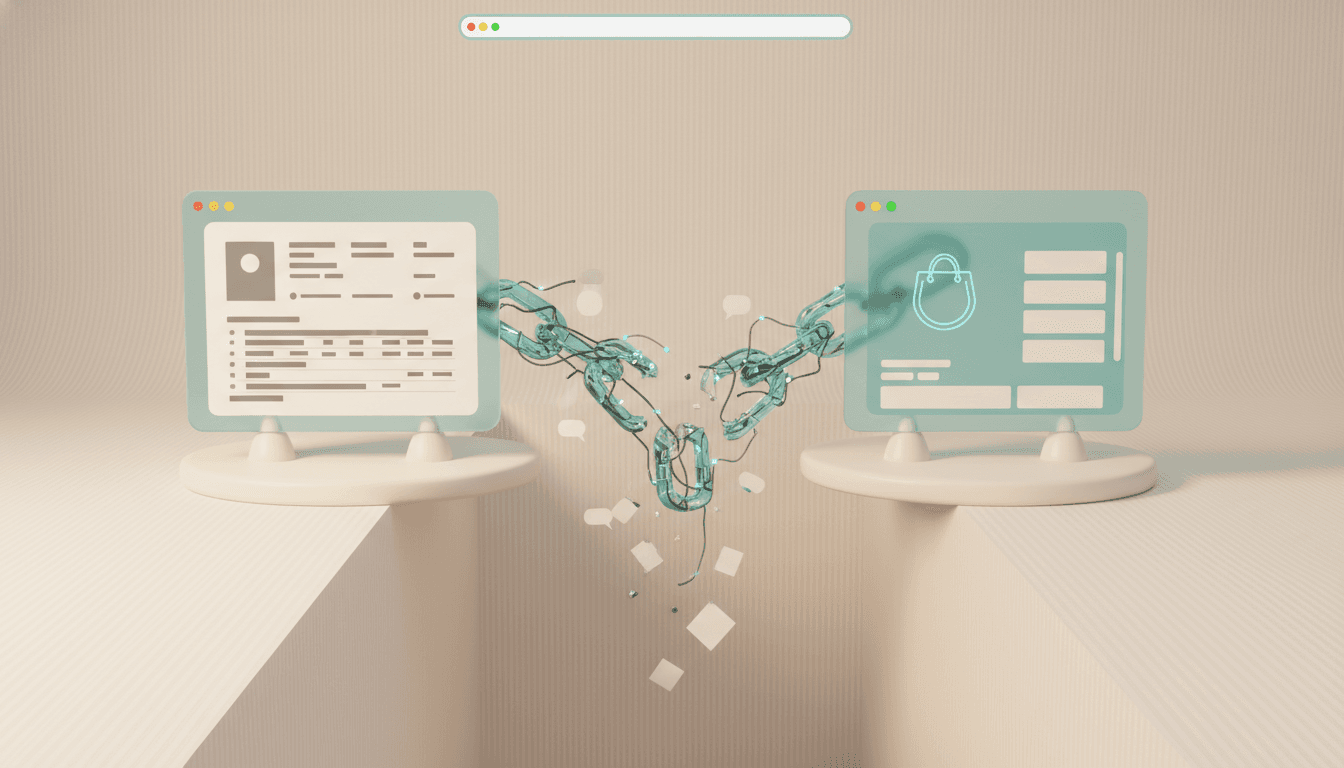
Here's the current state of social commerce for most brands. A customer sees a product they like on Instagram. The brand tells them to "click the link in bio." The customer navigates to the profile, taps the Linktree, scrolls to find the right link, gets redirected to a mobile website, finds the product, adds to cart, enters shipping info, enters payment info, and checks out. That's seven steps. Industry data shows you lose 30-50 percent of users at each step. Do the math.
The link in bio conversion math
Start with 1,000 people who want to buy your product after seeing it on social. If 50 percent click through to your profile, you're at 500. If 60 percent find and click the link in bio, you're at 300. If 50 percent find the right product on the Linktree page, you're at 150. If 40 percent add to cart, you're at 60. If 50 percent complete checkout, you've got 30 sales. You started with 1,000 interested buyers and converted 3 percent. That's the link in bio model. It's a conversion funnel designed to leak.
What replaces it
The alternative is conversational commerce. Customer comments "want" on your post. They get a DM with the product, their size options, and a one-tap checkout link. Two steps. No context switching. No leaving the app. No Linktree. The entire transaction happens inside the conversation. Early data on this model shows conversion rates of 15-25 percent from intent to purchase. Compare that to 3 percent.
Why this shift is inevitable
The platforms are building for this. Instagram's DM commerce features and TikTok Shop's in-app checkout are designed to keep the transaction inside the platform. The link in bio was a workaround for a limitation that no longer exists. The brands still relying on it are voluntarily destroying their conversion rates. The ones that move to conversational commerce will capture 5-8x more revenue from the same audience.
Sources and GrowthSync read
GrowthSync reads these sources as directional evidence for a practical operating layer: capture the signal, understand the customer context, and route the next action while intent is still fresh.