TikTok Has a Reputation Problem. They're Spending Millions to Fix It.
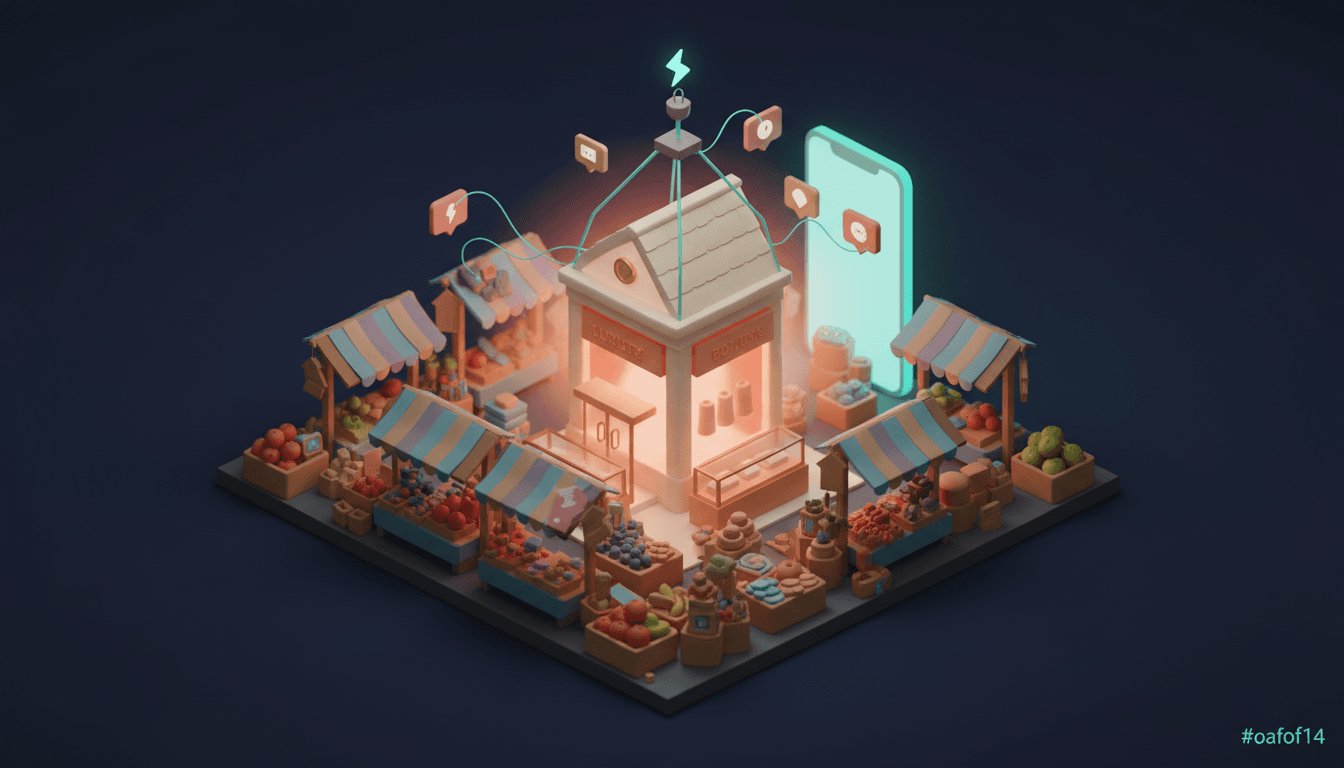
I was at the Million Dollar Seller Summit when someone on a panel mentioned a new TikTok initiative. A program designed to recruit brands doing over $10 million in annual revenue on other platforms. Nobody in the room seemed to think twice about it.
I haven't been able to stop thinking about it since. When you zoom out and look at what TikTok has been doing over the past year, there's a very clear pattern. It's not about selling more units. It's about changing what people picture when they hear "TikTok Shop."
The reputation tax on TikTok Shop
TikTok Shop has a brand problem, and it runs both directions. Consumers see it as the place to score cheap viral products at prices that feel almost suspicious. Premium brands look at that dynamic and wonder if showing up on the platform cheapens what they've spent years building.
TikTok built its commerce engine on impulse-driven, viral products. It worked incredibly well. Nearly $100 billion in global GMV in 2025. $15.1 billion in the US alone. But all that growth came with a reputation cost that TikTok is now scrambling to fix.
What Project Horizon actually is
Earlier this year, TikTok quietly launched something called Project Horizon. The idea is straightforward but aggressive. They're paying agencies to recruit large brands onto TikTok Shop. Not small sellers. Brands doing $10 million or more in annual revenue. Each agency has a target of at least 30 major brands, with a collective GMV goal of $50 million on TikTok Shop by year-end.
It's working. Samsung, Ralph Lauren, and Disney all joined TikTok Shop in 2025. Average unit prices across the platform have been ticking up.
Premium brands are running out of reasons to wait
US social commerce is projected to hit $80 billion by 2027. The premium brands that skipped the first wave of TikTok Shop are watching their competitors show up and grab market share in real time.
TikTok's algorithm doesn't know or care about your brand's heritage. It shows people content based on behavior, not loyalty. If your competitor is on TikTok and you're sitting it out, the algorithm is introducing your potential customers to somebody else. Every day. That math gets harder to ignore the longer you wait.
The experience gap that could undo all of this
Here's what worries me about this whole push. Premium customers expect a premium experience. Right now, the experience after someone engages with your content on TikTok is basically the same whether you're a $12 face roller or a $200 jacket. Someone comments on your live asking about sizing. Someone DMs you about availability. And in most cases, nobody gets back to them.
TikTok can recruit every premium brand on the planet. But if those brands can't deliver an experience that matches the price tag, the reputation problem doesn't actually go away. It just evolves. Instead of "TikTok sells cheap stuff," it becomes "TikTok is where good brands give you a bad experience." That might be worse.
Where GrowthSync comes in
This is exactly the gap we're focused on at GrowthSync. As premium brands move onto TikTok, they need the post-engagement experience to match the brand. Every comment, every DM, every story reply getting a real response, instantly, with a natural path to purchase. That's the piece that turns Project Horizon from a recruitment play into actual long-term revenue for these brands.
Sources and GrowthSync read
GrowthSync reads this as evidence that creator-led discovery is moving faster than most owned-channel systems, which is why brands need cleaner customer context when attention turns into intent.