The Market Is Moving from Influencer Posts to Creator-Led Distribution
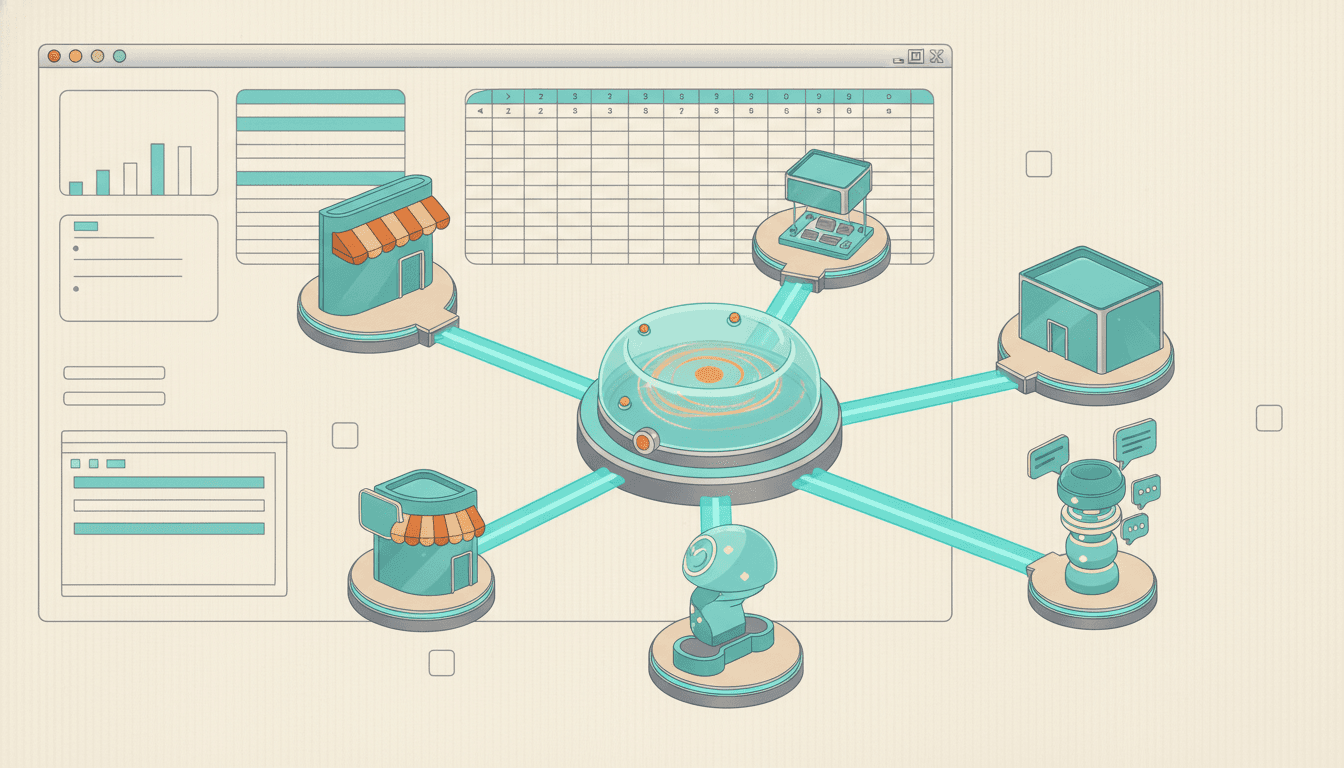
The market is moving from influencer marketing to creator-led distribution. That sounds like a small wording change. It is not. Influencer marketing was about renting attention for a campaign. Creator-led distribution is about building a sales channel where the creator, the platform, and the brand all have different incentives.
I keep hearing the same thing from brands, sellers, and creator operators: the old playbook is too slow. Send product. Wait for content. Hope the post performs. Ask for usage rights. Try to attribute the sales later. That world is being replaced by always-on affiliate catalogs, shoppable videos, live selling, creator storefronts, and marketplace checkout.
TikTok Shop forced the market to take that model seriously. According to Momentum Works and Tabcut, TikTok Shop hit $15.1 billion in U.S. GMV in 2025, up 68% year over year. EMARKETER says 51% of U.S. social buyers will shop on TikTok this year. Whether a brand loves TikTok or not, the customer behavior is now too big to treat as an experiment.
The creator is becoming the storefront
A good creator does not just create demand. They organize trust. That is the part brands still underprice.
A product page tells you what the brand wants you to know. A creator shows you how the product fits into a real routine, a real taste system, a real community. When that creator can tag the product, earn a commission, answer questions, and push people straight into checkout, they stop being a media channel and start looking like a retail endpoint.
That is why Shopify launched Collabs years ago, why TikTok built its affiliate center into the core Shop model, and why Meta is now pushing harder into creator affiliate tools. The platforms all see the same thing: product discovery is moving through people.
Meta saw the gap and moved
Meta's March shopping announcements were a tell. Retail Brew reported that Meta is testing Instagram creator commissions, expanding affiliate product tagging, and adding a Buy Now button after ad clicks. The Keyword's recap also points to Amazon, eBay, Temu, Mercado Libre, and Shopee as part of the affiliate expansion.
That is not Meta dabbling in commerce. That is Meta defending distribution. If creators can make more money on TikTok Shop than Instagram, they have a reason to move their best selling content somewhere else. Meta needs creators to believe Instagram can pay too.
The bigger point is that affiliate commerce is becoming table stakes. The platforms are not asking whether creators should sell. They are deciding whose catalog, whose checkout, whose attribution, and whose customer relationship the creator will sell through.
Brands need a new operating muscle
The brands that win here will not treat creators like one-off campaign vendors. They will treat them like a distributed sales force.
That means different muscles: commission design, creator enablement, product seeding, SKU selection, live calendar support, response handling, post-purchase retention, and attribution across places where the customer might actually buy. It also means accepting that a sale might start in a TikTok video, move through a comment, get researched on Amazon, and close on Shopify.
Most brands are not built for that. They have a paid team, an influencer team, a social team, an e-commerce team, and a support team. The customer journey now cuts across all five.
The relationship is the part nobody should outsource
Creator-led distribution is powerful, but it creates a dangerous habit. If the platform brings the creator, the creator brings the buyer, and the marketplace closes the sale, what exactly does the brand own?
That is the question I keep coming back to. The short-term answer might be revenue. The long-term answer has to be relationship. The brand still needs to know who asked what, who bought what, who almost bought, who came back, and which creator or channel changed the customer's mind.
Otherwise you build a business that looks big on platform dashboards and fragile everywhere else.
This is what we're building at GrowthSync
GrowthSync sits in the messy middle where creator distribution becomes customer intent. When someone comments on a creator's video, DMs the brand, asks about sizing, clicks through to Shopify, or comes back through Instagram after seeing the same product on TikTok, that should not disappear into five separate tools.
We are building the layer that helps brands capture those signals, respond with context, and turn social demand into owned customer relationships. Creator-led distribution is only getting bigger. The brands that can convert the relationship, not just the transaction, are going to have the leverage. If that is the motion you are building, start with GrowthSync here.
Sources
TikTok Shop U.S. GMV grew 68% to reach $15.1B in 2025 - Momentum Works
US Social Commerce Forecast 2026 - EMARKETER
Meta goes deeper into shopping - Retail Brew
Meta Extends Instagram Affiliate Commerce to Amazon and eBay - The Keyword
Sources and GrowthSync read
GrowthSync reads this as evidence that creator-led discovery is moving faster than most owned-channel systems, which is why brands need cleaner customer context when attention turns into intent.