Intent Signals Are Everywhere but Brands Aren't Listening
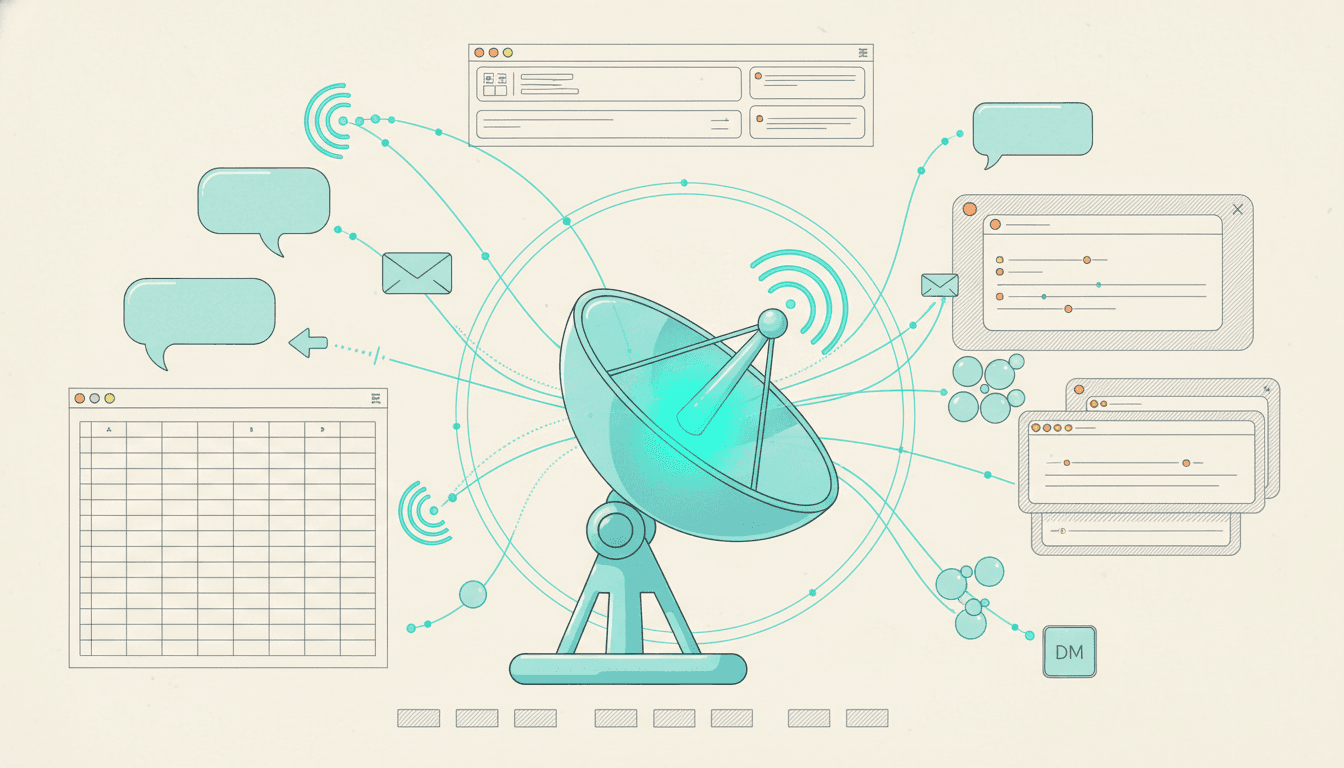
Every day, your customers tell you exactly what they want to buy. They do it in plain language, publicly, on your social channels. They comment "how much?" on your product posts. They reply to your stories with "I need this in my size." They DM asking if you have something in stock. These are intent signals, explicit expressions of purchase intent, and most brands count them as engagement metrics instead of revenue opportunities.
The difference between engagement and intent
Not all social interactions are created equal. A like is passive. A share is helpful for reach. But a comment that says "where can I buy this?" or a DM asking about pricing is something entirely different. It's a hand raised. It's a customer telling you they're ready to spend money. Lumping these together under "engagement" is like a salesperson counting how many people walked past their store and ignoring the ones who walked in asking for help.
Intent signals are the highest-quality leads your brand has
Think about the cost of acquiring a lead through paid media. You spend money on ads, drive clicks to a landing page, hope someone fills out a form, and then your sales team follows up. The conversion rate from ad click to purchase might be 2-3 percent. Now compare that to someone who voluntarily DMs your brand asking about a product. The intent is already there. The conversion rate on properly handled inbound social interactions can be 10-20 percent or higher.
Why brands miss these signals
Social media teams are optimized for content, not conversion. They see comments as engagement. They see DMs as customer service. They don't have the tools or the mandate to treat social interactions as sales opportunities. The infrastructure doesn't exist to route an intent signal to a sales response in real time.
What it looks like to actually listen
Listening to intent signals means having a system that can identify buying intent in real time, across DMs, comments, story replies, and live streams, and immediately route a personalized response. Not a generic auto-reply. A response that understands what the customer wants and gives them a direct path to purchase. The technology to do this exists now. The brands that adopt it will capture revenue that their competitors don't even know they're losing.
Sources and GrowthSync read
GrowthSync reads this as evidence that AI only helps when it has useful customer context and human guardrails, especially in public or semi-public social conversations.